




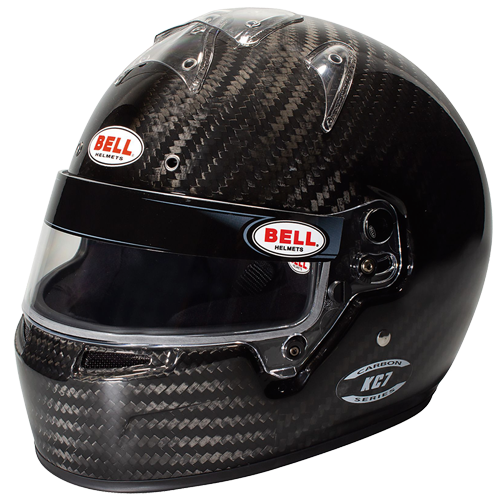
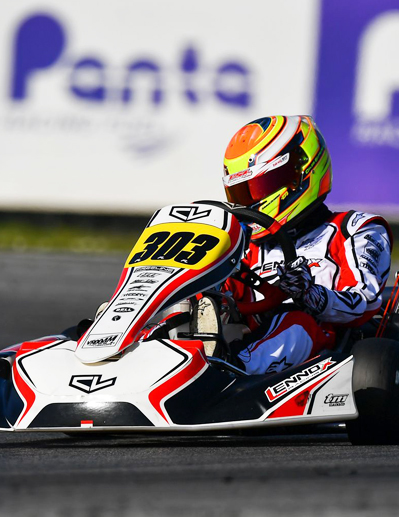
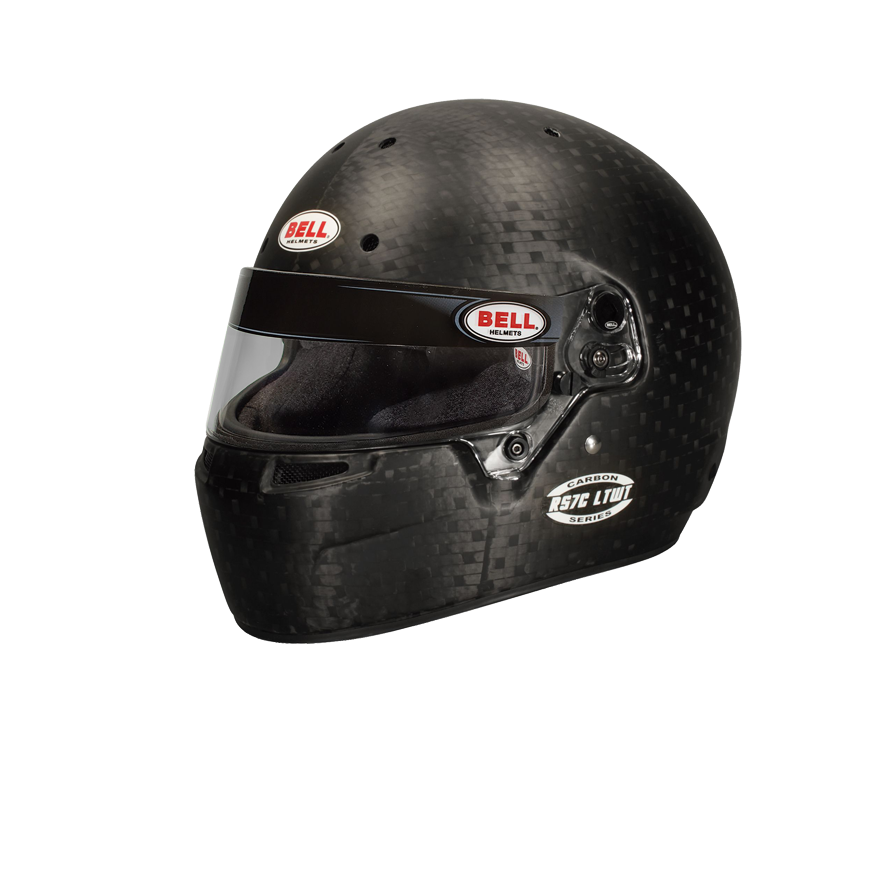
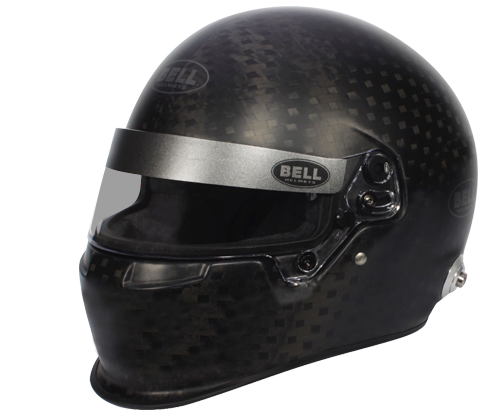
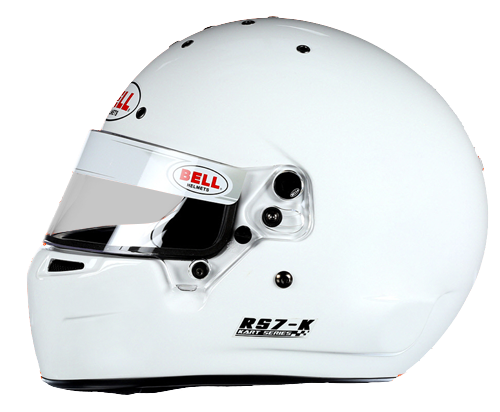
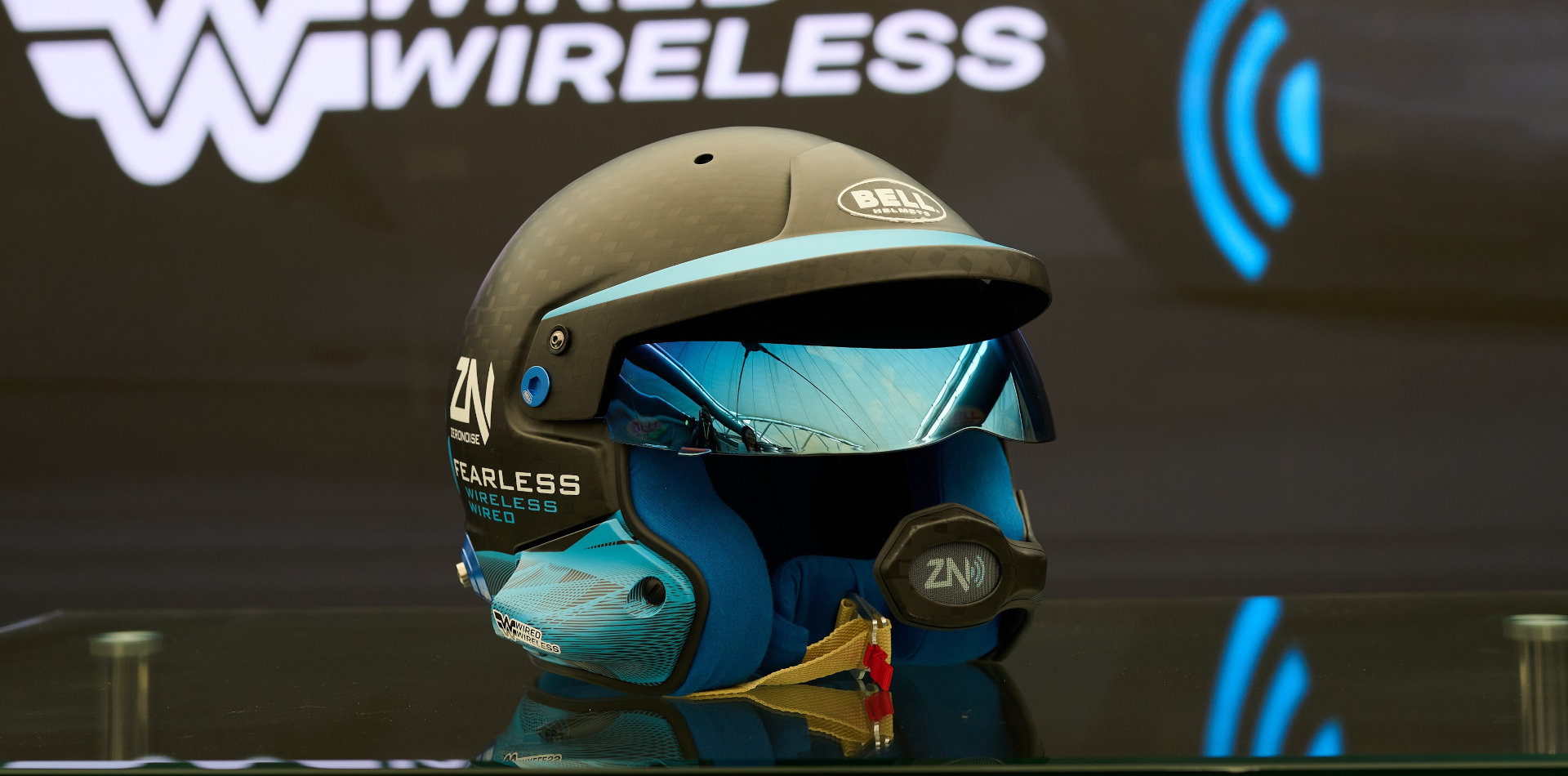
go to >>> Extract of FIA Regulations - CHAPTER III - DRIVERS' EQUIPMENT
go to >>> Extract of CIK Regulations - CHAPTER 3.2 - EQUIPMENT SAFETY
--------------------------------------------------------------------------------------------------------------------------------
Extract of FIA Regulations - CHAPTER III - DRIVERS' EQUIPMENT
1. HELMETS
1.1 STANDARDS (1)
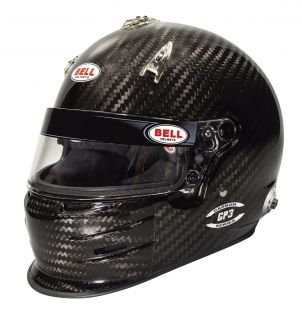
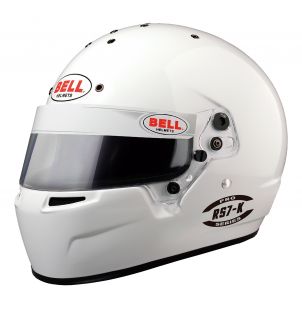
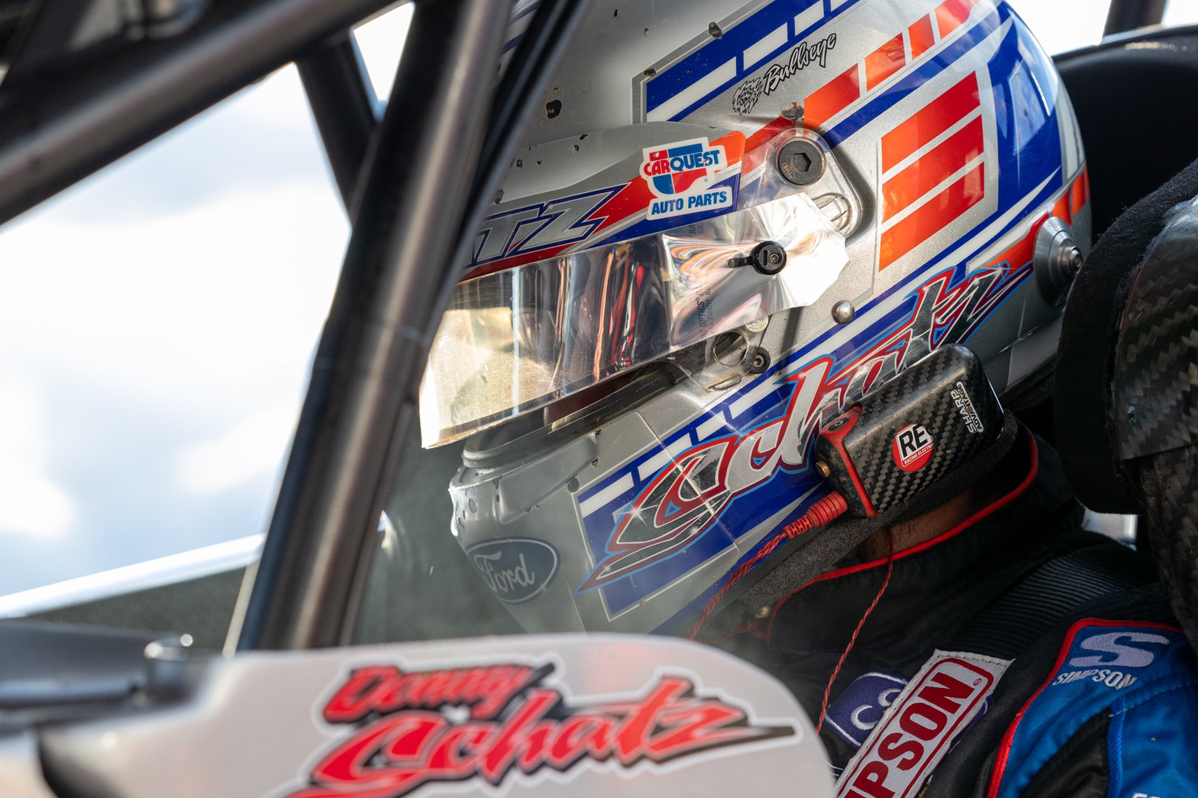
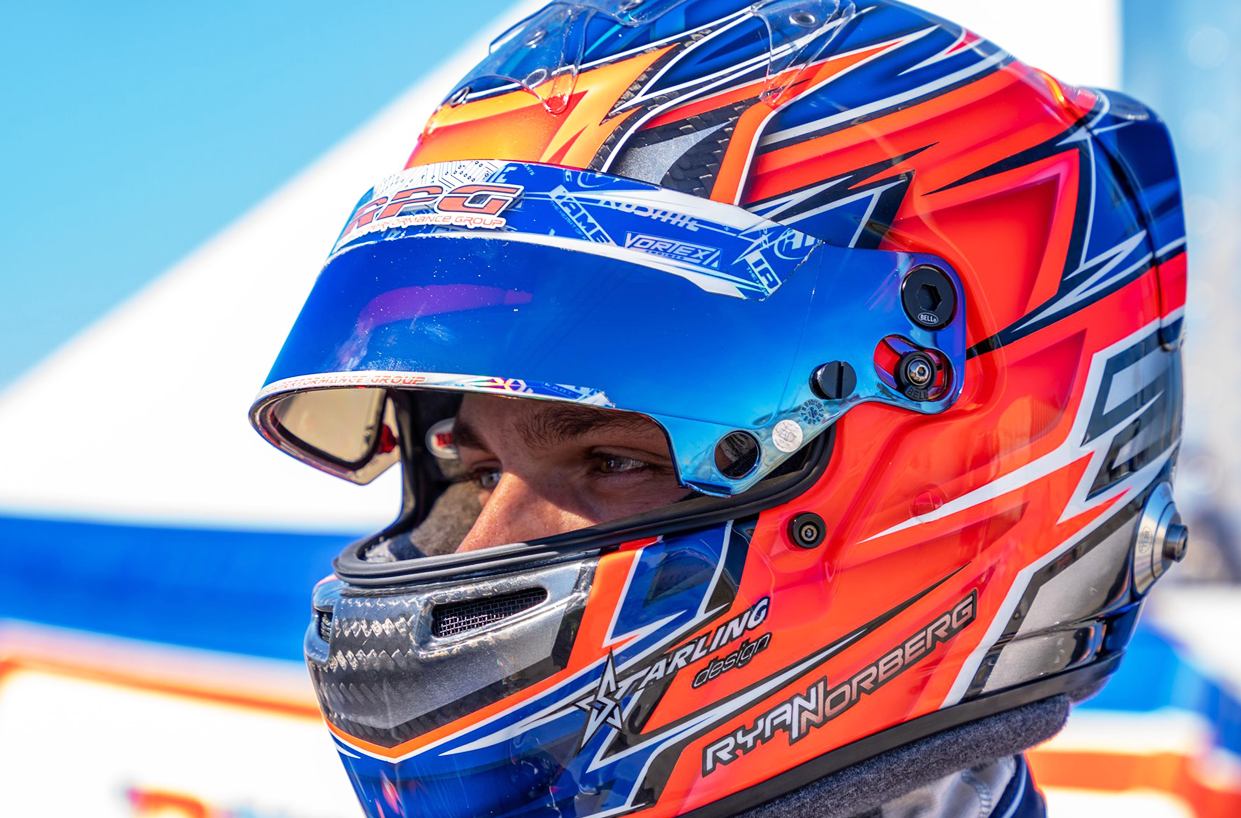
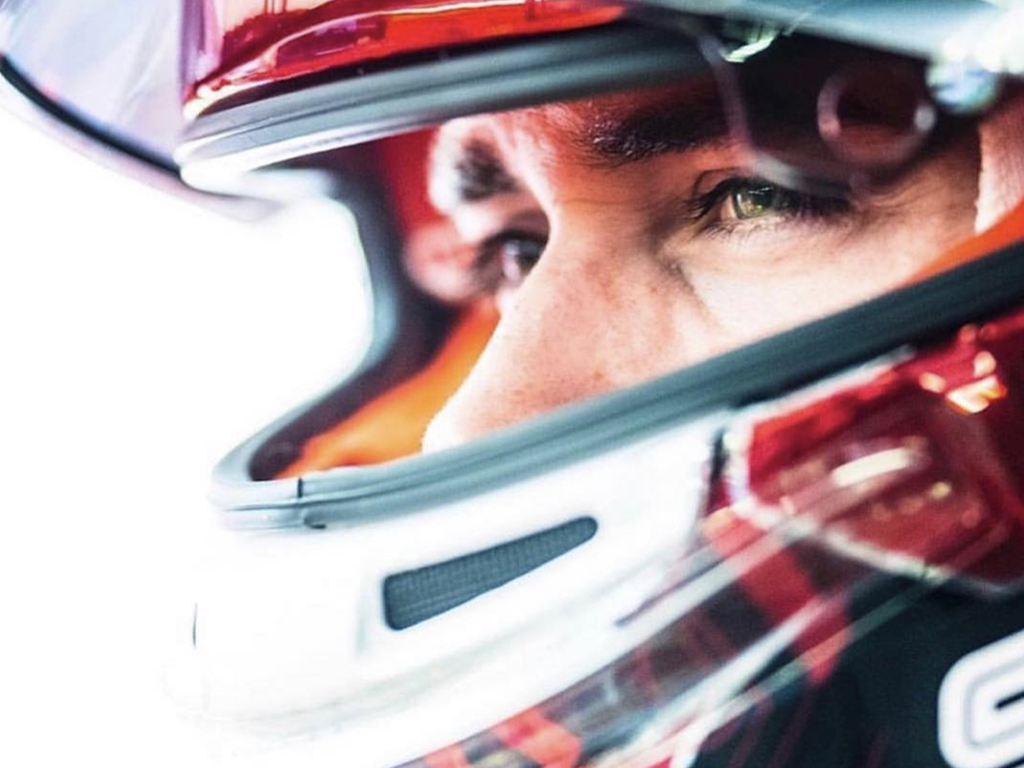
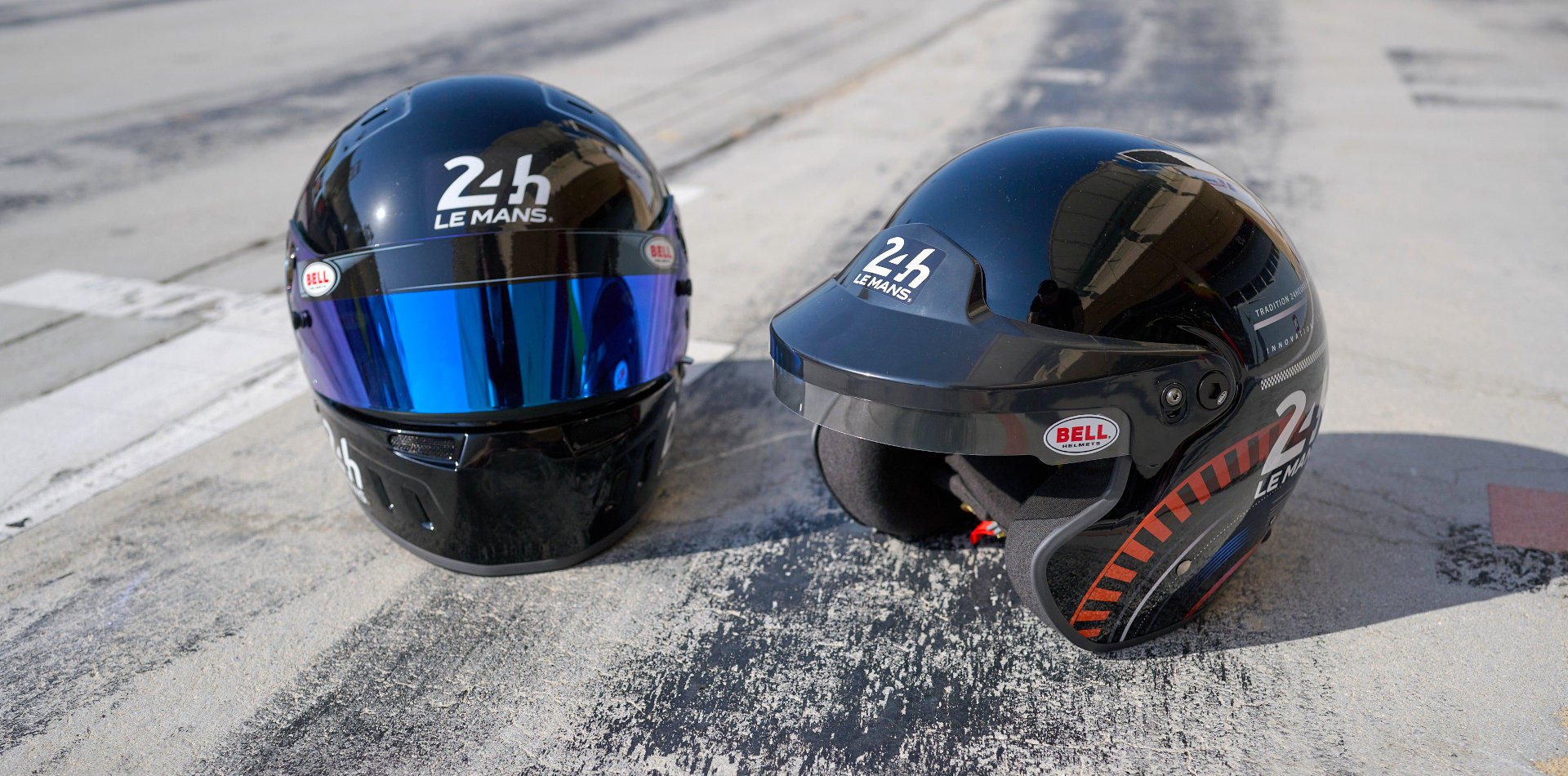
All drivers competing in circuit events, hill-climbs or rally special stages, entered on the FIA Calendar, must wear crash helmets which meet one of the standards listed in technical list N° 25 of Appendix J.Drivers of open cockpit cars must wear full face helmets, of which the chin bar is an integral part of the helmet structure and is tested to an FIA approved standard. This measure is recommended for historic open cockpit cars and Autocross.
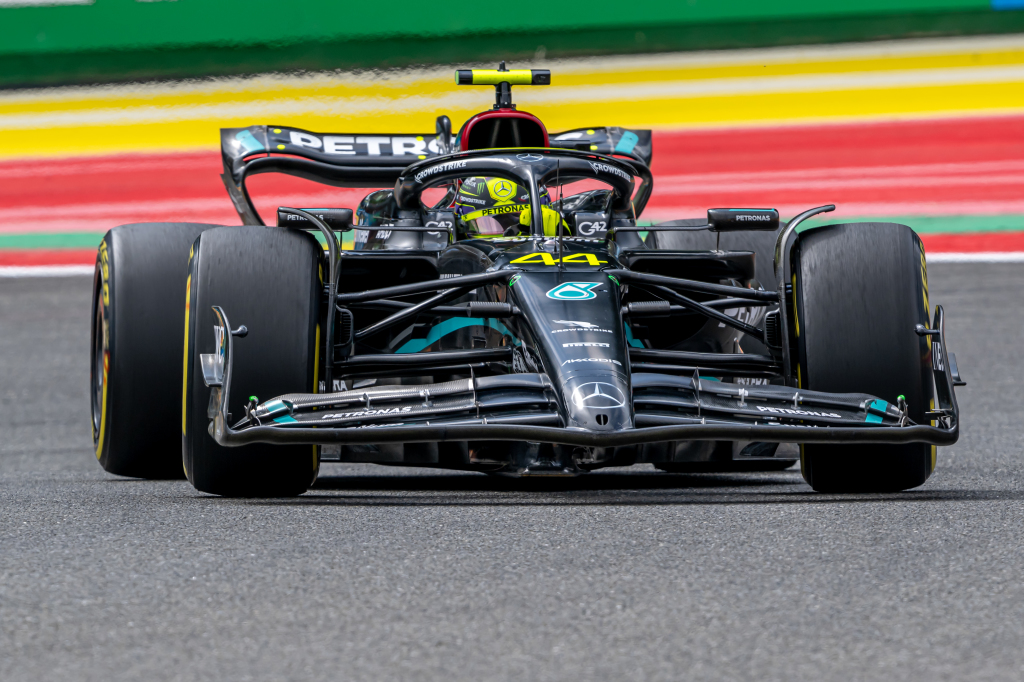
Drivers in the Formula One World Championship must wear helmets which meet the FIA Standard 8860-2004 Advanced Helmet Test Specifi cation.Helmets certifi ed to the FIA 8860 Standard will be mandatory in FIA WTCC and GT Championships and in the international series for GP2 and F3 from 1.1.2009.
It is strongly recommended that drivers in those international series for which the technical regulations include crash structure requirements from the FIA Formula One or F3000 technical regulations wear helmets which meet the FIA Standard 8860-2004.
1.2 MODIFICATIONS
No helmet may be modified from its specification as manufactured, except in compliance with instructions approved by the manufacturer and one of the FIA listed standards organisations, which certified the model concerned. Any other modification will render the helmet unacceptable for the requirements of the present article.1.3 MAXIMUM WEIGHT AND COMMUNICATIONS SYSTEMS
Helmet weights may be checked at any time during an event and must not exceed 1800 gr. for a full-face type or 1400gr. for an open-face type, including all accessories and attachments. Helmet-mounted radio speakers are prohibited in all circuit and hillclimb events (earplug-type transducers are allowed). Applications for waivers, on medical grounds only, may be made through the driver’s ASN Medical Commission. The fi tting of microphones may be done only in respect of paragraph 1.2 above.1.4 DECORATION
Paint can react with helmet shell material and affect its protective capacity, therefore, where a manufacturer provides guidelines or restrictions on the painting or decoration of helmets, these must be followed, using only paint specified by them (air drying acrylic, polyurethane enamel or others) and preferably a painter having their approval. This is particularly important for injection-moulded shells which are not usually suitable for painting. The shell being painted should be efficiently masked as paint penetrating the interior can affect the performance of the helmet liner. Paints requiring heat curing should not be used and any process should not exceed the maximum temperature of conditioning of the helmet in the standard to which it is approved. The manufacturer's instructions should also be consulted for any considerations on the use of stickers and transfers.2. FLAME-RESISTANT CLOTHING (1)
In circuit events, hill-climbs, special stages of rallies and selective sections of cross-country events entered on the International Sporting Calendar, all drivers and co-drivers must wear overalls as well as gloves (optional for co-drivers), long underwear, a balaclava, socks and shoes homologated to the FIA 8856-2000 standard.Users must ensure that garments are not too tight, as this reduces the level of protection. Embroidery sewn directly onto the overall shall be stitched onto the outermost layer only, for better heat insulation. Backing material of badges and thread used for affixing them to the overalls must be flameproof (see Appendix 1 of the FIA 8856-2000 Standard for detailed requirements and instructions for use).
Drivers of single-seater cars in races with standing starts must wear gloves in a high-visibility colour which contrasts with the predominant colour of the car, so that the driver can clearly draw the attention of the race starter in case of difficulties. Substances which may circulate in any cooling system worn by a driver are restricted to water, or air at atmospheric pressure. Water systems must not require the saturation of a garment in order to function. For events taking place in extreme heat, it is recommendedthat a cooling system be used (connected, for example, to the underwear designed for that purpose and homologated according to the FIA 8856-2000 standard).
Exceptionally, driver cooling vests which are not FIA homologated may be worn but shall be in addition to the mandatory homologated underwear. They must include a base garment certifi ed and labelled to ISO 15025, any tubing must be certifi ed and labelled to ISO 17493 and must not be in
3. HEAD RESTRAINT
3.1 The wearing in an international event
The wearing in an international event of any device intended to protect the head or neck and attached to the helmet is prohibited, unless the device has been homologated by the FIA and listed in FIA Technical List n°36. When the device used is the HANS®, it must be worn only with a compatible helmet appearing in Technical List n°29. Drivers are strongly recommended to use helmets with tether-anchorages fitted by the manufacturer as original equipment. These helmets are identified by a glossy silver holographic FIA label as illustrated in FIA Technical List n°29 - Figure 1. It is also strongly recommended to use homologated tethers which are identified by an FIA 8858-2002 label sewn on them. For more details, "Guide for the Use of HANS® in International Motor Sport", published by the FIA Institute for Motor Sport Safety, can be found on www.fia.com, under the heading FIA Sport - Regulations - Drivers' Equipment.3.2 Mandatory wearing
Mandatory wearing of an FIA approved head restraint - by championship.DOWNLOAD >>> APPENDIX L to the INTERNATIONAL SPORTING CODE
--------------------------------------------------------------------------------------------------------------------------------
Extract of CIK Regulations - CHAPTER 3.2 - EQUIPMENT SAFETY
3.2 EQUIPMENT SAFETY
The Driver must wear:A helmet with an efficient and unbreakable protection for the eyes.
For all classes, helmets must comply with the following prescriptions (Appendix 2) :
| • | Snell Foundation K98, SA2000, K2005 and SA2005 (USA) |
| • | British Standards Institution A-type and A/FR-type BS6658-85, including any amendments |
| (Great Britain) | |
| • | SFI Foundation Inc., Spec. SFI 31.1A and 31.2A (USA). Any modification to the above list |
| will be published in the CIK Bulletin. | |
| • | Snell-FIA CMH, for Drivers under 15 years old (standard recommended in from 2008 and |
| mandatory in 2009 from 1.1.2010). |
The weight of helmets may be checked at any time during an event and must not be more
than 1,800 g or 1,550 g for Juniors.
It must be noted that certain types of helmets must not be painted or carry adhesive material.
In accordance with Appendix L to the International Sporting Code (Chapter III, Article 1.2),
any addition of devices, whether aerodynamic or other, to helmets is forbidden if they have not
been homologated with the helmet concerned.